
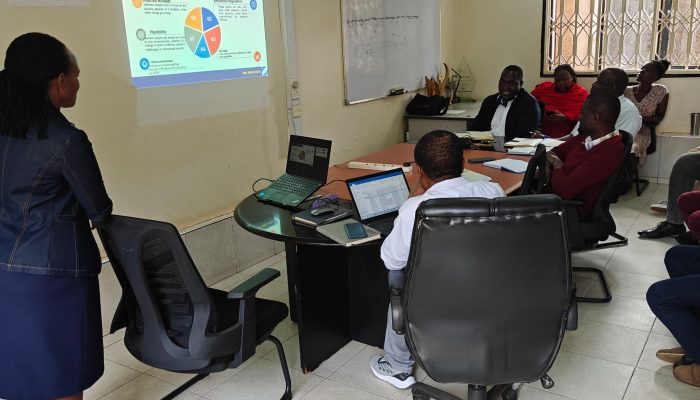
Thriving Under Pressure: Why Resilience is Vital
In today’s fast-paced and high-pressure world, the ability to adapt and recover from setbacks is no longer optional. It’s essential. In dynamic workplaces like FRIENDS Consult, where teams manage multiple client projects, fieldwork, tight deadlines, and high expectations, resilience plays a central role in maintaining both individual performance and organizational sustainability.
Why does resilience matter?
The modern work environment is filled with accelerated change, growing external demands, and evolving industry challenges. Resilient employees are better equipped to manage stress, remain productive, and adapt to shifting conditions. For organizations, this translates to improved morale, fewer burnout cases, and stronger team cohesion.
What makes a person resilient?
Much more than just “toughing it out, resilience includes:
- Emotional regulation – Staying calm and focused even under pressure
- Mental agility – Adjusting quickly to new challenges
- Self-awareness – Recognizing stress triggers and responding appropriately
- Optimism and perseverance – Believing in positive outcomes and pressing on
These traits help staff maintain composure, clarity, and creativity even when the work gets tough.
Simple suggestions for building resilience
- Adopt a growth mindset – See setbacks as learning opportunities
- Practice self-care – Get adequate rest, exercise, and downtime
- Build a support network – Lean on colleagues and mentors
- Stay proactive – Focus on what’s within your control and take small, effective steps
- Encourage peer sharing – Learn from how others cope and overcome challenges.
Impact on productivity
When staff are resilient, they’re more focused, motivated, and efficient. At FCL, where multitasking and field operations are frequent, resilient teams recover faster from setbacks and maintain high standards of performance. This leads to higher engagement and morale, stronger problem-solving capacities and greater adaptability to change
A word to HR Managers
For HR professionals, resilience is a strategic priority. It enhances employee well-being, boosts retention, and ensures the workforce remains strong through transitions. Investing in resilience-building through mentorship, wellness programs, and training is a key part of future-proofing any organization.
Final thought
Resilience isn’t built overnight, but every small effort counts. Whether it’s checking in with a teammate, adjusting your mindset, or simply pausing to breathe during a tough day, these habits strengthen not just the individual, but the entire organization.
By Viola Kigongo Kanyike
Human Resource Manager-FCL